On a water truck, fuel is burned in two ways: driving between the water point and the work area, and running the pump. Both depend heavily on the habits of the driver. Small daily practices add up over a season, and they also reduce wear on the engine, gearbox and pump drive.
The points below cover driving style, starting, and the pump set-up that avoids wasted running time. They are written for fleet managers who want to brief their drivers, and they include notes for hot, dusty African operating conditions.
Drive at a steady speed
Keep a steady speed and avoid pressing and releasing the throttle repeatedly. Do not change gear more often than needed. As a general rule, use the highest gear the road allows and let the engine pull. Learn to listen to the engine. When it begins to shudder or labour, change down before it struggles, let the speed build and then change back up. Early, smooth changes use less fuel than letting the engine lug.
Start smoothly
Start from a low gear, press the throttle gradually and let the engine reach a suitable speed before moving up through the gears. Heavy throttle at a cold start wastes fuel and is hard on the engine. Let the engine reach its normal operating temperature before working it hard, and drive gently for the first stretch of the trip. A warm engine uses fuel more efficiently and lasts longer.
Set up the pump so no time is wasted
Idling while a pump struggles to draw water burns fuel and gets nothing done. Most of these delays come from a few causes:
- Water source: when using a stream, pond or pit, put the full end of the suction hose under water and keep the strainer fitted. If the water is shallow, dig out the pick-up point so the hose does not draw air.
- Priming: a centrifugal pump needs priming water before every suction, and the filler must be closed afterwards. A self-priming pump needs it on first use only.
- Airtight suction: the intake line needs a vacuum to draw water into the tank. Damaged hoses or cracked hard pipes let air in and the truck cannot draw.
- Pump type: a clean-water pump needs water without debris, while a trash pump tolerates silt but not stones or lots of sand.
- Parking before engaging: engage the PTO only with the truck stationary, before filling and before spraying.
Working conditions in Africa
Heat, dust and poor roads can increase fuel use in ways that drivers do not always notice. A blocked air filter or a dirty strainer makes the engine and pump work harder for the same result, so check and clean them more often than the minimum when the air is dusty. Check tyre pressure to the figure in the manual, since a low tyre raises rolling resistance, particularly on soft or unsurfaced surfaces.
Fuel quality can vary, so buy from trusted stations and keep filters in good order. After heavy rain, routes that are soft or muddy slow the truck and use more fuel, so plan routes and refill points to cut empty running. Where the nearest workshop is far away, small faults left unfixed, such as dragging brakes or leaking pipes, can waste fuel for weeks before anyone notices. Where drivers move between different vehicles, a short briefing on the gearing and PTO of this particular truck prevents wasted effort.
For a wider look at running costs on other truck types, see our article on comparing fuel costs before buying a tractor head.
A short daily routine
- Check air filter, strainers and tyre pressure before leaving the yard.
- Warm up gently and avoid hard acceleration at the start.
- Plan the route and water points to reduce driving with an empty tank.
- Switch the PTO off when you are not spraying, and return the throttle control to minimum.
- Close all valves and report leaks at the end of the shift.
Related models
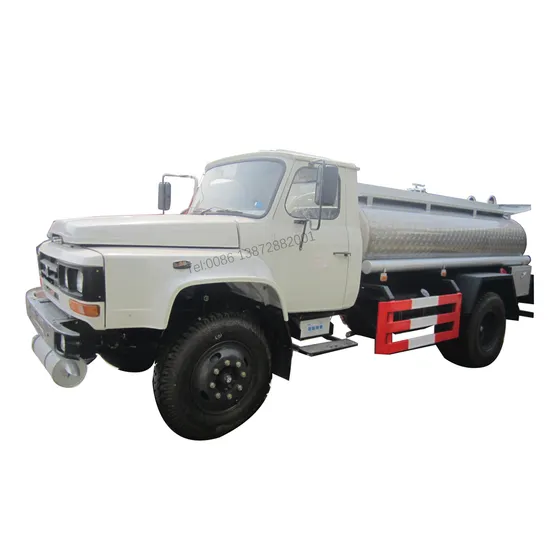
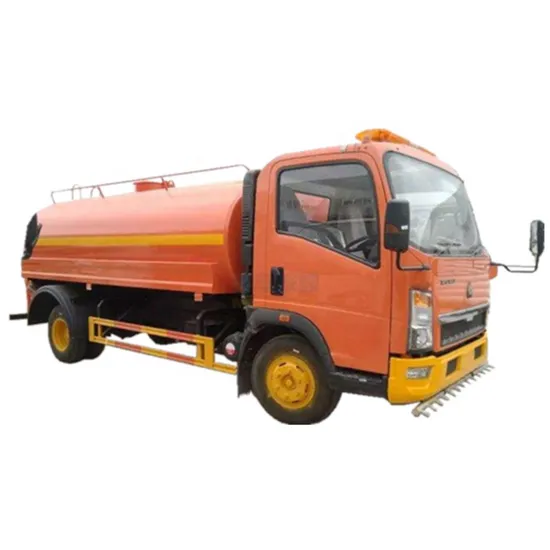
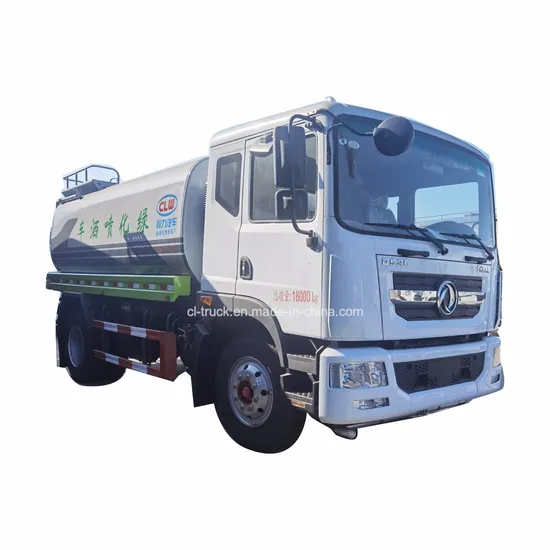
Explore our water tank trucks. Examples include the HOWO 4x2 water truck, the Dongfeng D9 4x2 water transport truck and the Dongfeng 140 long cab drinking water truck.
To ask for a quotation, please contact us or message us on WhatsApp.