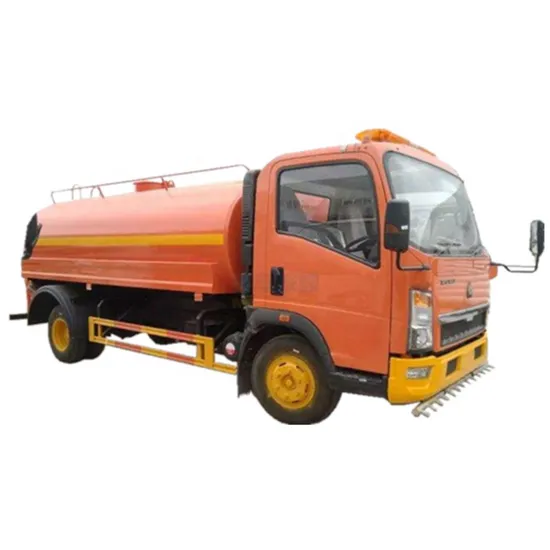
A water truck looks simple: a tank mounted on a truck. In practice it is four systems that must work together, namely the chassis, the tank, the pipework and the controls that drive the pump. When a driver or workshop supervisor understands how they connect, inspection and fault-finding become much easier.
The same vehicle is also known as a sprinkler truck, water bowser, water tanker or water transport truck. It is used for road washing, dust suppression, watering trees and green areas, construction sites, water delivery and, with the right fittings, emergency fire support. This guide covers the main parts and what each one does, then adds points for hot, dusty African operating conditions.
The four main systems
Chassis. This is a standard truck chassis that is converted for the water body. Once the tank and pump are fitted, the vehicle should still be driven and maintained according to the truck's own operator's manual. The chassis size decides how much water can be carried and how well the truck copes with the road surface.
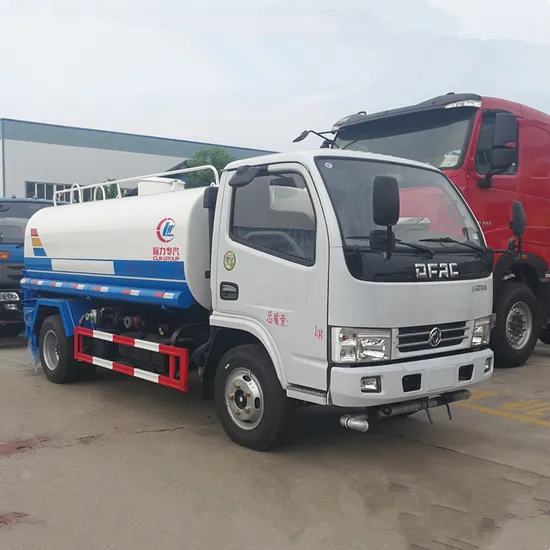
Tank. Tanks are usually made from quality steel plate, and stainless steel is chosen where the water or the job calls for it. Many tanks are divided into compartments with baffle plates that reduce water surge while driving and add strength. A manhole on top allows inspection, cleaning and filling, and a drain at the lowest point of the tank lets sediment out.
Pipework. Pipes, valves, strainers and outlets carry the water from the tank to the spray positions. Ball valves open and close with a quarter turn of the handle, and the main inlet and outlet control valve often shows the closed direction with a mark on the stem. Learn which way it points on your truck.
Drive and controls. The engine turns the gearbox, a power take-off (PTO) fitted to the gearbox takes power off, and a drive shaft turns the water pump. The pump pushes water through the pipework and out of the nozzles.
How power reaches the pump
The pump may be self-priming or centrifugal. A centrifugal pump needs priming water in the casing before each suction, and the filler must be closed afterwards. A self-priming pump normally needs priming water only on first use. Either way, the suction side must be airtight: a cracked hose or loose joint lets in air and the truck will not draw water.
Engage the PTO only when the truck is stationary, and release the clutch slowly, since a sudden engagement can damage the PTO and gearbox. Switch the PTO off before changing gear while driving, and do not reverse while spraying. When the job is finished, return the PTO control and throttle control to their rest positions and close all valves.
Spray positions and what they do
- Front flush: low nozzles that wash debris off the road surface, with a working width of up to about 14 metres.
- Rear spray: two rear nozzles that lay an even fan of water, up to about 10 metres wide. Close the front line when using the rear nozzles.
- Side spray: rear-mounted nozzles that throw water to either side, up to about 14 metres.
- Water cannon: a platform-mounted monitor for watering greenery, washing high surfaces or emergency use, reaching up to about 25 metres.
Optional equipment such as a pesticide spraying kit, extra inlet connections, solenoid or air-operated valves and internal tank protection can be added to suit the job. Check what is actually fitted before you plan the work.
Working conditions in Africa
Heat, dust and long distances to a workshop change how a water truck should be looked after. Dust can clog strainers and nozzles quickly, so clean the pump strainer more often than the minimum. Water drawn from rivers, ponds or boreholes often carries sand and silt. Keep the filter on the suction hose in place, and never remove it to speed up filling. If the water source is shallow, dig out the pick-up point so the hose stays submerged and does not draw air.
Sediment settles at the bottom of the tank. Open the drain valve regularly until the water runs clear. On unsurfaced roads, loose fittings are more likely, so tighten fixings and lubricate drive-line points on a routine basis, following the intervals in the operator's manual. Spare-parts lead times can be long, so keep spare strainers, hose clamps and valve seals on hand. Where drivers move between different vehicle types, a short briefing on the PTO and valve layout of this truck is worthwhile.
Checks before each shift
- Gearbox oil level and any leaks under the truck.
- PTO lever and throttle control in their rest positions before starting.
- All valves in the correct position, with no leaks at joints.
- Pump strainer clean and the suction hose undamaged.
- Tank manhole cover secure, and tank drained of sediment.
- Pump gear oil changed at the interval given in the manual.
For help with sizing the tank and pump to the job, see our guide on how to choose a water tanker truck.
Related models
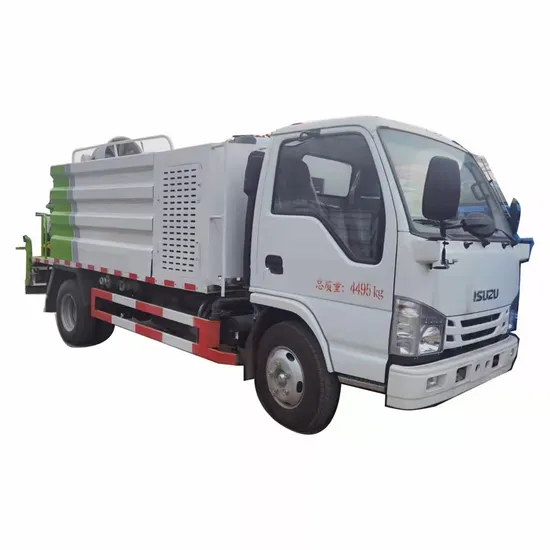
Browse our water tank trucks range. Models of interest include the Dongfeng 4x2 water tanker sprinkler truck, the Isuzu dust suppression sprayer truck and the HOWO 4x2 water truck.
To ask for a quotation, please contact us or message us on WhatsApp.